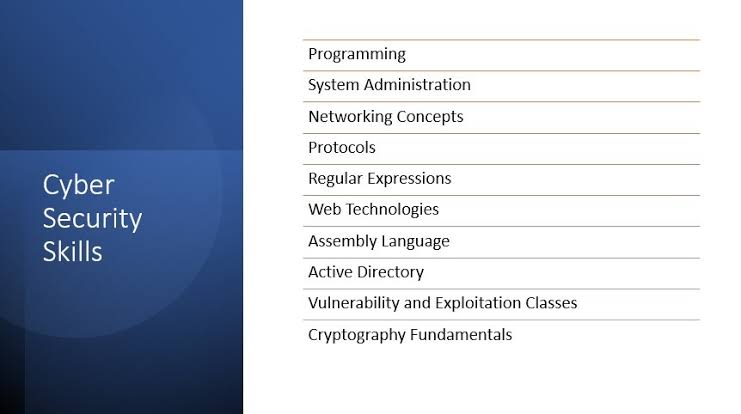
Beyond phishing emails and password hygiene, there are structural reasons cybersecurity skills matter more than ever in 2026. Here's a different set of reasons, and how Dazu Hub can help you build them.
Cybersecurity conversations often stop at "don't click suspicious links." That's true, but it barely scratches the surface of why these skills matter in 2026. The risks have become more structural — tied to how businesses operate, who they depend on, and how they're held accountable. Here's a closer look, and how Dazu Hub can help you build real skills around it.
- Ransomware Has Become a Business Model, Not a Rare Event
Ransomware attacks are no longer isolated incidents carried out by lone hackers — they're run by organized groups offering "ransomware-as-a-service" to other criminals. This has made attacks more frequent, more automated, and harder to predict, making basic prevention and response knowledge essential rather than optional. - Downtime Often Costs More Than the Attack Itself
The direct cost of a breach — stolen data, ransom demands — often isn't the biggest expense. The bigger cost is usually the downtime: systems offline, orders unfulfilled, staff unable to work. Understanding how to prevent incidents and recover quickly protects revenue, not just data. - Third-Party and Supply Chain Risk Is a Growing Blind Spot
Many breaches don't start with the target company at all — they start with a vendor, contractor, or software provider that had weaker security. Businesses increasingly need people who understand how to vet and monitor the security of the tools and partners they rely on, not just their own systems. - Cloud Misconfigurations Are a Leading Cause of Breaches
As more companies move data and applications to the cloud, simple setup mistakes — an exposed storage bucket, an overly permissive access setting — have become one of the most common ways sensitive data gets leaked. This isn't about sophisticated hacking; it's about people who understand how to configure cloud environments correctly. - Cyber Insurance Now Requires Proof of Real Security Practices
Businesses seeking cyber insurance are increasingly required to demonstrate specific security measures — multi-factor authentication, regular backups, staff training — before insurers will even offer a policy. Cybersecurity skills are becoming a literal requirement for accessing financial protection, not just a best practice. - Smart Devices and IoT Have Expanded the Attack Surface
From security cameras to smart office equipment to connected industrial systems, the number of internet-connected devices in businesses has grown rapidly — and many are poorly secured by default. Understanding how to secure these devices is an increasingly relevant, often overlooked skill. - Leadership Is Being Held Personally Accountable
Regulators and courts in various jurisdictions have started holding executives personally accountable for security failures, not just the company. This is pushing cybersecurity awareness up the chain — leaders who understand the basics of risk and governance are better positioned to make informed decisions, not just delegate the problem.
Getting Started with Dazu Hub
At Dazu Hub, our Cybersecurity course goes beyond basic awareness — covering practical skills in cloud security, incident response, and risk assessment that apply directly to how modern businesses actually get breached.
Cybersecurity in 2026 is shaped by structural risks — supply chains, cloud setups, accountability — not just careless clicks. Join Dazu Hub and learn to address the real sources of risk.